

- New In
- Bedroom
- Bathroom
- Furniture
- Homewares
- Kids
- CHRISTMAS
- Trending
- CLEARANCE
- Linen Lovers

Guides
Thread Count Explained: What Really Matters for Better Sleep
JUNE 16|3 min read
Discover what thread count really means for your bedding. Learn how to choose the best quilt covers and sheets for comfort, durability, and your climate.
What is Thread Count?
Thread count refers to the number of threads woven into a 10cm square of fabric. It’s calculated by combining vertical warp threads with horizontal weft threads - together forming the total count.
While thread count is often associated with softness and weight, higher numbers don’t automatically mean better bedding. The key is understanding how thread count works alongside fabric type, weave and your personal sleep preferences.
So what thread count is best? While an indicator of weight and softness, higher thread counts don’t automatically make a better choice in bedding. To figure out what thread count is ideal for you, let’s explore the considerations for supportive sleep and aesthetics.
Does a Higher Thread Count Mean Better Sheets?
A high thread count generally results in a denser, heavier fabric. This may be ideal for some (especially cold sleepers), but others can find this kind of fabric too warm or heavy. A lower thread count meanwhile doesn’t equate to a lower quality. Sheets with low thread counts can provide a lightweight, crisp texture – which can be great for naturally hot sleepers.
What thread count is good for sheets depends on a number of personal preferences and factors. Like the yarn type used in the threading – which matters just as much as the count. Fabric quality, weave type, and fibre length all play into the weight, temperature and softness of sheets.
How Thread Count Interact With Fabric Type?
Different fabrics perform best at different densities, meaning a ‘good’ thread count for one weave may not suit another. The ideal count depends on weave structure, yarn thickness and whether the fabric is designed to feel light or substantial. Let’s have a look at some common weave types and fabrics:
- Percale: Known for its plain weave and breathable finish, percale sheets typically sit between 200–300 thread count for a crisp, cool feel.
- Linen: Made from thicker fibres, linen naturally has a lower thread count, usually between 80–150.
- Flannel: Rather than thread count, flannel is measured by fabric weight to reflect warmth and density.
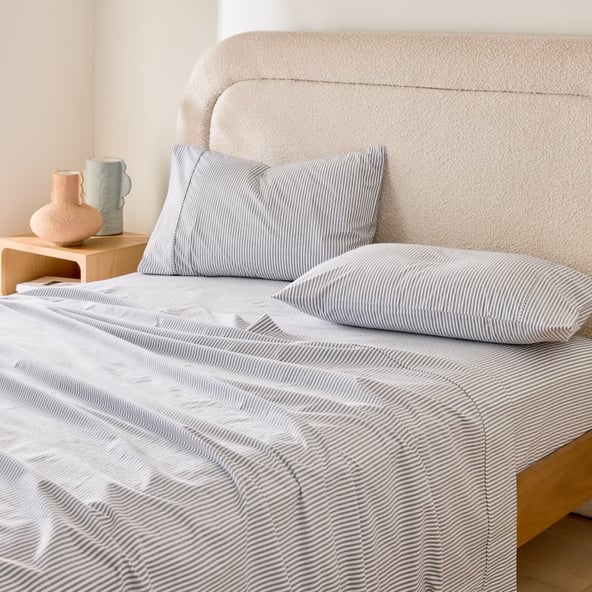
What Thread Count Is Best for Sheets?
There’s no single “best” thread count - the right choice comes down to how you sleep and the feel you’re drawn to. From fabric breathability to weight and texture, bedding is a personal decision. Below, we break down recommended thread count ranges based on different sleep styles.
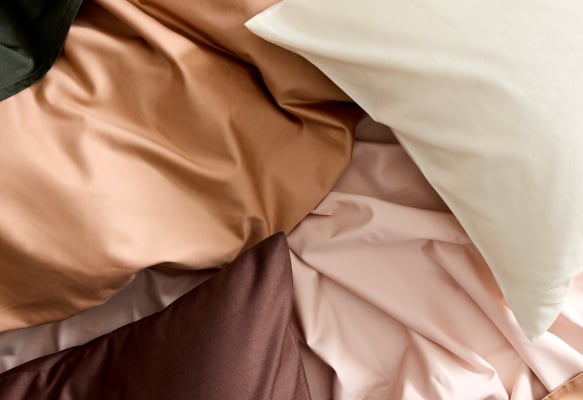
Best thread count for warm & hot sleepers
For warm sleepers, breathability and moisture control are key. Lightweight fabrics with thread counts between 100–300 are often ideal, though high‑quality natural fibres with counts up to 600 can still feel cool and airy depending on the weave.
Adairs Pick:
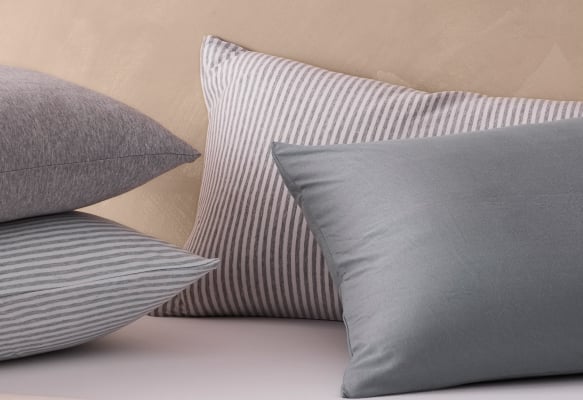
Best thread count for cold sleepers
Cold sleepers benefit from fabrics that keep warmth close. This means bedding with denser weaves, heavier materials and higher thread counts. So what number are we looking for? If you tend to sleep cold, thread counts of around 400–600 may be ideal. It’s worth noting that some heavier fabrics like flannel are measured by weight rather than thread counts.
Adairs Pick:
-
Egyptian cotton
-
Sateen
-
Jersey
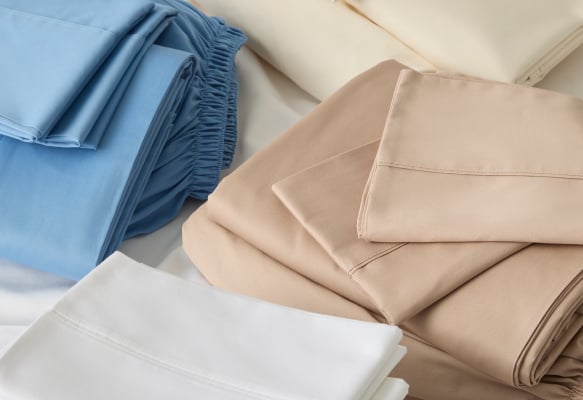
Best thread count for all rounders
Naturally temperature regulating fabrics help those that sit in this category to feel comfortable all-year round. For bedding that feels soft but still breathable, the best thread count will depend on weave and fibre. Mid-range thread counts of between 200–500 can help to achieve that balance. Fabrics in this range include:
Adairs Pick:
Best thread count for lovers of luxury
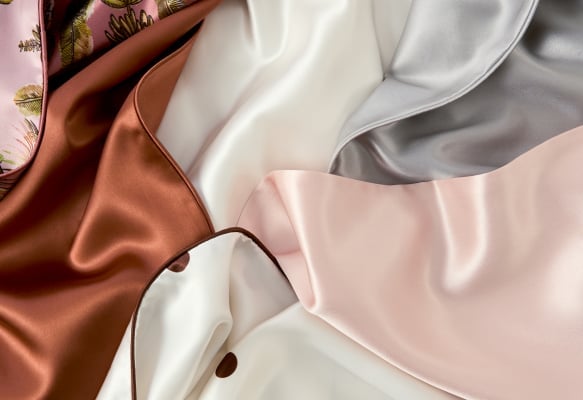
Luxurious sheets start with premium fibres matched to the right thread count for their weave. This may mean 25 momme silk for a smooth, fluid drape, or 600 thread count Egyptian cotton for a refined, hotel‑style finish. Whether you prefer crisp or buttery-soft, fibre quality plays the defining role.
Common Thread Count Myths — Busted
You might feel more assured about how to choose a thread count for your sleeping preferences, but there are still a few pesky myths about this measurement that are worth clearing up. To help you move forward with total confidence, our thread count guide breaks down some of the biggest misconceptions.
- Myth 1: “Higher thread counts always mean better quality”
Truth: Quality can’t be judged on thread count alone. Well-made fabrics with smaller thread counts of 300 can be better quality than cheap yarns with higher thread counts of 1000 for example. To guarantee that your bedding is premium, consider the fabric type, weave and yarn ply.
- Myth 2: “Thread counts below 400 are a sign that bedding won’t last”
Truth: Different fabrics have unique natural thread count ranges. For some materials such as percale, a lower thread count can actually mean a stronger and more breathable result.
- Myth 3: “Thread counts reflect softness”
Truth: Softness in bedding is a result of finishing and fibre quality, rather than the number of threads in a 10cm stretch of fabric. That means that a 200 thread count percale made with premium cotton can feel much softer than a 600 thread count sheet made with shorter fibres.
- Myth 4: “Higher thread counts give colours a richer look”
While a dense fabric may sometimes present rich colouring, premium and long-lasting vibrancy in bedding is far more influenced by the finishing process, fibre type and weave structure.
| Fabric / Weave | Thread count | Feel | Best for these sleeper types | Shop it at Adairs |
|---|---|---|---|---|
| Cotton Percale | 250 - 400 TC | Crisp, airy, lightweight; great airflow and a matte look | Hot/warm sleepers; “all‑rounders” who like a hotel‑crisp feel | Fresh Cotton Percale Sheets |
| Cotton Sateen | 400 - 600 TC | Silky, drapey, mid‑to‑heavier weight with subtle sheen | Cold sleepers or luxury lovers wanting a cocooning feel | Egyptian Cotton Sateen |
| Bamboo Cotton Sateen | ~600 TC | Cool‑to‑touch, silky, fluid drape; breathable and moisture‑wicking | Warm/hot sleepers who still want a silky hand; humid climates | 600TC Bamboo Cotton |
| Long-Staple / Egyptian Cotton (Luxury) | ~500 - 800 TC | Smooth, substantial, long‑wearing; luxe hotel vibe | Luxury seekers; cool/cold sleepers who like weight | Egyptian Cotton Collection |
| Vintage Washed Linen (Flax) | TC not key (linen uses thicker yarns) | Textured, breathable, medium weight, regulates temp well | All‑rounders; hot sleepers who want breathability all year | Vintage Washed Linen |
| TENCEL™ / Lyocell | TC not key (focus on fibre & finish) | Silky‑smooth, cool hand, mid weight, great moisture control | Warm sleepers who still like a drapey, luxe sheet | Eco TENCEL™ Lyocell Sheets |
| Flannelette | Measured by GSM, not TC | Very soft, fuzzy, heavier; traps warm air | Cold sleepers / winter; those who want immediate warmth | Flannelette Sheets |


Get the latest with Adairs News
Subscribe to stay up-to-date with the latest looks and offers. Plus save $10 on your next order over $50*.
By signing up to receive Adairs News you are agreeing to our Terms & Conditions and Privacy & Security Policy.


